A 94-page federal indictment says a coordinated Antifa-style network in Minneapolis set out to stalk and attack immigration officers, not just wave signs.
Story Snapshot
- Fifteen people tied to Direct Action Minnesota and Black Hat Workers Collective face federal conspiracy charges over anti-immigration enforcement actions.[1][6][9]
- Prosecutors say the groups ran “hard and soft blockades” using overturned vehicles, trailers, ice blocks, and homemade shields to shut down a federal building.[1][4][6]
- The indictment describes officers being followed from work toward their homes, including one chase across state lines into Wisconsin.[1][4][9]
- Media outlets and activists are already spinning the case as a political move against “activists,” downplaying the violence and threats.[2][5][7]
What Federal Prosecutors Say Happened in Minneapolis
Federal prosecutors in Minnesota have unsealed a ninety-four-page indictment charging fifteen defendants with conspiracy to impede or injure federal officers, along with related crimes.[1][9] They say the defendants are members or associates of two far-left groups, Direct Action Minnesota and the Black Hat Workers Collective, which they describe as Antifa-linked organizations operating in Minneapolis.[1][4][6] According to U.S. Attorney Daniel Rosen, these groups did not just protest policy; they allegedly organized to physically block and harm officers enforcing immigration law.[1][4][6]
The indictment focuses on two key dates, January twenty-third and March first of this year, when operations at the Whipple Federal Building near the Minneapolis–Saint Paul airport were allegedly shut down.[1][4] Prosecutors say this building is a major hub for several federal agencies, including immigration enforcement.[1][4] On those days, Direct Action Minnesota members allegedly deployed what they themselves called “hard and soft blockades” to stop immigration convoys from moving in and out of the area.[1][4] Officials frame this as an organized effort to cripple lawful federal operations, not a spur-of-the-moment protest.[1][6]
Blockades, Shields, and Stalking: Tactics Described in the Indictment
The “hard blockade” teams allegedly used vehicles and recreational trailers, even overturning some, along with steel obstacles and large ice blocks to choke off roads used by immigration officers.[1][4][6] Prosecutors say members trained in shield use and “operational security,” treating confrontations with law enforcement as planned street battles.[1][4][6] The case also describes “soft blockades,” where crowds and improvised barriers were used to surround routes and slow or trap federal vehicles, adding pressure and danger during immigration raids.[1][4]
Beyond the roadblocks, federal officials describe a campaign of stalking and harassment directed at individual officers.[1][4] According to the indictment, members tracked officers, recorded plates, and followed them away from the Whipple building.[1][4][9] One example stands out: on May fourth, defendant Isaac Sant allegedly tailed federal officers from the building all the way to Hudson, Wisconsin, where local deputies finally stopped him.[4][9] Prosecutors say this pattern shows the goal was to intimidate officers at work and in their private lives, crossing a clear line from speech into targeted menace.[1][4]
Charges, Civil Liberties Fights, and the Media Spin War
The fifteen defendants face a long list of federal charges: conspiracy to impede or injure a federal officer, solicitation to commit a crime of violence, interstate threats, interstate stalking, assault on a federal officer, and destruction of government property.[1][2][5][6] Rosen has stressed that the case is about conduct, saying these people are charged “not for what they said, but for what they did,” and that the alleged plan was to interfere with immigration enforcement “by force,” not by voice.[6] Authorities report that twelve defendants were arrested in a coordinated operation, one was already in custody, and two remain fugitives.[2][6]
An indictment unsealed Tuesday charges 15 members and associates of Direct Action Minnesota with conspiracy to impede federal officers, stalking, threats, assault, and property damage during ICE's Operation Metro Surge, which made over 3,700 arrests in the Minneapolis area from… https://t.co/FCEkdV09h8
— Proudly Ultra MAGA Don (@dbarton05) June 17, 2026
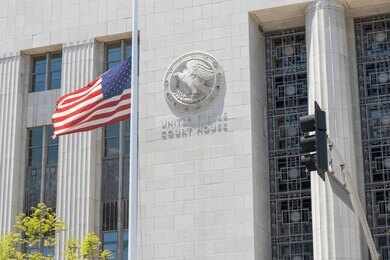
Corporate media coverage has already tried to blur that line between force and speech. Headlines from outlets like the New York Times, the Philadelphia Inquirer, and Al Jazeera describe the case as the government “claiming an antifa plot,” signaling doubt about whether there was real organized criminal conduct.[2][5] Some reports frame the defendants simply as “activists” or “anti-ICE protesters,” while activists outside the courthouse have called the arrests civil rights violations and an attack on dissent.[5][7][8]
Where the Case Is Strong—and Where Questions Remain
On the government side, the strength right now is the level of detail. The indictment lays out specific dates, locations, groups, and quoted posts, including a Facebook message saying, “We need to become ungovernable,” and other calls for militant resistance.[7] So far, public defense materials have not supplied detailed counter-evidence against the blockade descriptions, the stalking allegation, or the cited online statements; they mainly argue political motive rather than disputing each fact.[2][7] That leaves the government’s basic narrative largely unanswered in the public record.
There are still open questions. At the first court appearance, the judge chose to release the defendants with conditions instead of ordering full pretrial detention, even though prosecutors requested detention.[10] Prosecutors have also declined so far to spell out any injuries to officers or confirm details about weapons in public, saying that proof will come in court.[6] Past protest cases around immigration have seen some charges dropped or reduced after problems with affidavits or overreach, which critics now cite as a warning to test this new indictment closely.[15][16]
What This Fight Really Means for Law, Order, and Free Speech
For many Americans who back law and order, this case lands in a familiar pattern. Federal officers on the ground say they are facing organized, sometimes violent resistance whenever they try to enforce immigration laws, while media and activist groups rush to rebrand those efforts as pure “protest.”[1][4][8] The Trump Justice Department in this second term is under pressure to defend officers and the rule of law, yet every serious case brings accusations of politicized prosecution from the left.[5][7]
The stakes reach beyond Minneapolis. If a network can overturn vehicles, shut down a federal building, and stalk officers toward their homes while hiding behind the label of “protest,” then immigration enforcement and, ultimately, basic public order take a direct hit.[1][4][6] At the same time, conservatives know that any federal power can be abused if not watched. That is why many will want full video, body camera footage, and clear medical records made public over time—so citizens can see for themselves where protest ended and organized street warfare began.[9][14]
Sources:
[1] Web – DOJ Indictment Details Coordinated Antifa Operations in Minneapolis
[2] YouTube – DOJ announces charges against ANTIFA-linked groups related to …
[4] Web – Claiming an Antifa Plot, U.S. Charges 15 in Minneapolis With …
[5] Web – Federal grand jury indicts 15 Minneapolis “antifa” members …
[6] Web – US Justice Department accuses 15 Minnesota activists of ‘antifa’ …
[7] Web – Claiming an antifa plot, U.S. charge 15 in Minneapolis with conspiracy
[8] Web – MN Antifa DOJ Indictment
[9] Web – A Facebook Post Is Enough for the DOJ to Say You’re “Antifa”
[10] Web – DOJ charges suspected members of Minneapolis antifa network with …
[14] Web – DOJ targets anti-ICE demonstrators with conspiracy charges – PBS
[15] Web – US Protest Law Tracker – ICNL
[16] Web – The Facts on Pattern-or-Practice Investigations