USDA’s new SNAP error report puts $10.1 billion in improper payments on the books and sends most states toward new federal cost-sharing rules.
Quick Take
- USDA says fiscal year 2025 SNAP payment errors reached 10.62% nationwide.
- California’s reported error rate was 10.93%, well above the 6% line tied to new penalties.
- The department says payment errors are mostly unintentional, not fraud.
- The One Big Beautiful Bill Act of 2025 links higher error rates to state benefit costs starting in fiscal year 2028.
USDA’s New Numbers Put Pressure on States
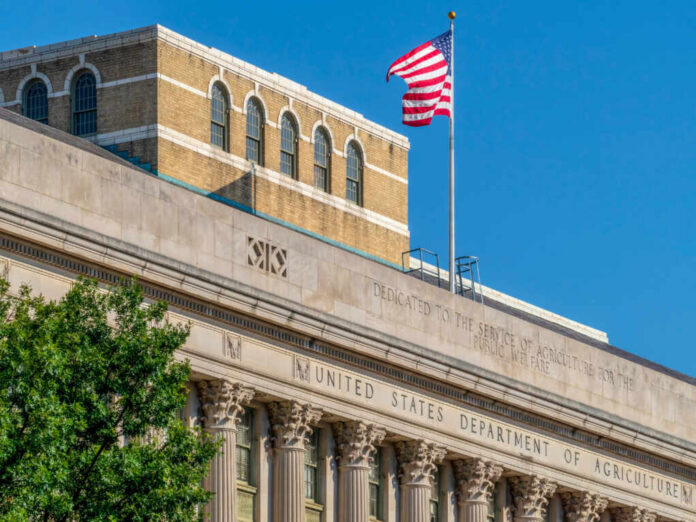
The United States Department of Agriculture (USDA) says fiscal year 2025 Supplemental Nutrition Assistance Program payment errors reached 10.62% nationwide, with California at 10.93%. The same report says the program had about $10.1 billion in improper payments across the country. USDA uses these annual reviews to measure how well states determine eligibility and benefit amounts, and it counts both overpayments and underpayments in the total.
Those numbers matter because the new federal law ties them to money. Under the One Big Beautiful Bill Act of 2025, states above the 6% error threshold can be required to pay a share of SNAP benefits starting in fiscal year 2028. USDA says states at or above that line will face a 5%, 10%, or 15% match, depending on their error rate. That shifts part of the program’s cost from Washington to state budgets.
What the Error Rate Does, and Does Not, Mean
USDA says SNAP payment errors are “largely unintentional” and can come from either state agencies or households. The department also says the rate is not a fraud rate. It measures how accurately states certify households and set benefit levels, which is why the number can rise when paperwork, income checks, or reporting rules go wrong. That is one reason the term “waste” can hide how messy the system is in practice.
That same design explains why the debate stays so heated. Supporters of tougher penalties argue that a $10.1 billion error total shows weak accountability and too much taxpayer loss. Critics say the rate also reflects complex rules, changing household income, and administrative strain, not just bad state behavior. Both views point to a basic problem: the federal government wants precision from a system built to serve millions of low-income households with fast-changing circumstances.
Why California Stands Out
California’s 10.93% rate puts it above the national average and well above the 6% cutoff that now matters for cost-sharing. The report shows California’s overpayment rate at 10.06% and underpayment rate at 0.87%. That means most of the state’s error total came from benefits issued above the correct amount, not from underpayments alone. For a large state with a huge SNAP caseload, even small process mistakes can turn into big dollar figures.
The broader pattern is bigger than one state. USDA’s own quality-control page says it reviews state cases each year, then sets national and state error rates from those samples. It also says states with error rates of 6% or more must develop corrective action plans. The new law adds a sharper penalty on top of that long-standing system. For state officials, the message is clear: keep error rates down, or start paying more of the bill themselves.
What Happens Next
The new cost-sharing rules do not take effect right away, but the direction is already set. States now have to review whether they can bring error rates under 6% before the fiscal year 2028 deadline. That will likely push more audits, tighter eligibility checks, and more pressure on local offices that already handle heavy workloads. The result could be better accuracy, but it could also mean more red tape for families trying to stay enrolled.
Improper Food Stamps Payments Hit $10.1 Billion as Trump-Era Accountability Rules Loom | David Lindfield, Slay News
Improper payments in the Supplemental Nutrition Assistance Program (SNAP) hit $10.1 billion nationwide in fiscal year 2025, according to the U.S. Department of… pic.twitter.com/gtsiz9OWqc
— Owen Gregorian (@OwenGregorian) July 6, 2026
For readers across the political spectrum, this report feeds the same complaint: the federal system is expensive, complicated, and too often late to fix its own mistakes. USDA’s figures support the claim that the program loses billions through improper payments. They also show why the fight over SNAP is no longer just about food aid. It is now about who pays when the system misses the mark, and whether Washington or the states should bear the cost.
Sources:
redstate.com, livenowfox.com, cato.org, fna.usda.gov, facebook.com, cbpp.org, allianceforopportunity.com