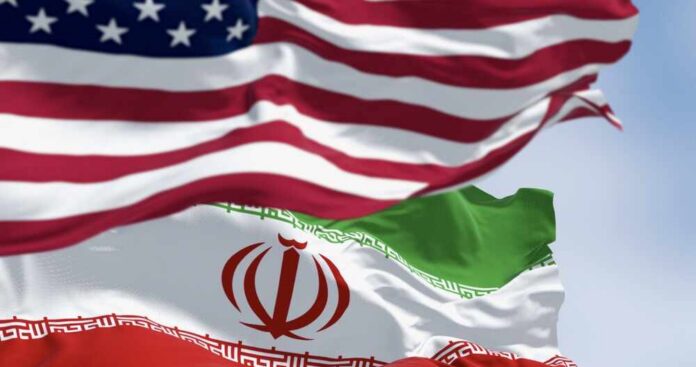
Israel’s warning that Iran mapped out a fresh plan to kill President Trump has pulled the U.S., yet again, into a shadow war most Americans never voted for and barely understand.
Story Snapshot
- Israel shared new intelligence saying Iran considered a new plan to assassinate President Donald Trump.
- Major U.S. outlets reported the warning, but they described few hard details about the alleged plot.
- Iran’s leaders deny any plan, even as past U.S. cases show a long pattern of Iranian plots abroad.
- The warning comes as U.S.-Iran tensions and public distrust of “elite” decision-makers are already high.
Israel’s Warning: What Was Shared With Washington
Israeli officials recently told the United States government that new intelligence showed Iran was considering a new plan to assassinate President Donald Trump. The Wall Street Journal first reported that this warning described a “fresh plot,” suggesting it was separate from earlier, already known attempts. Other reports say the intelligence pointed to a “specific” plan but did not share exact tactics, timing, or location with the public. U.S. media described the threat as serious enough to trigger extra reviews of Trump’s security.
Television and online reports in the United States quickly picked up the story, citing Israeli sources and the original Wall Street Journal article. A CBS Morning News post confirmed that Israel had warned Washington about an Iranian assassination plot against Trump, again referencing that same reporting. Several news videos repeated that Israel had shared “fresh intelligence” with the United States, framing it as part of ongoing conflict between Washington and Tehran. So far, however, none of these outlets has shown documents or named sources on camera.
What We Know — And What We Do Not Know — About the Alleged Plot
Public reports agree on one core fact: Israel told the United States that Iran had a new plan to kill Trump. Beyond that, almost everything else is still murky. The stories do not include details on who was supposed to carry out the attack, where it would happen, or how the killers would get close to the president. There is no public mention of intercepted calls, seized weapons, or arrested suspects tied directly to this new warning. That leaves Americans dependent on secondhand summaries rather than hard evidence.
Iran’s leaders have pushed back in public, saying they did not plot to kill Trump in this way and claiming the United States is using such charges to rally support against Tehran. Iranian officials have also rejected earlier U.S. accusations of assassination plots, calling them false or politically driven. Denials from a hostile government are not proof, but they do create a second story line that some Americans already inclined to distrust Washington will find believable. This split feeds the broader sense that ordinary people are stuck between rival propaganda machines.
A Long Pattern of Iranian Plots Targets Officials and Dissidents
Even though this latest claim lacks public evidence, it does fit into a long record of Iranian plots against high-profile targets overseas. A U.S. State Department review has described a forty-year campaign of Iranian operations, including attempted killings of diplomats and political figures across the world. In recent years, the United States Justice Department has charged Iranian-linked operatives in murder-for-hire schemes and other plots aimed at American officials and activists on U.S. soil. That history makes the new warning easier for many security experts to take seriously.
Trump himself has been tied to several alleged plots in the past. U.S. officials have accused Iranian networks of targeting him and other former senior officials as revenge for earlier American actions in the Middle East. One case even involved an “international campaign” that promised a large reward for Trump’s assassination, spread through mass text messages inside Iran. These cases, some backed by criminal charges and court records, show that Tehran’s threats against U.S. leaders are not purely rhetorical. They also explain why any new hint of a plot sets off alarm bells in Washington.
Security, Politics, and the Deepening Trust Gap at Home
The new Israeli warning comes as U.S.-Iran tensions are already high, with recent strikes and counterstrikes deepening fears of a wider war. Many conservatives see Iran as a ruthless enemy that only understands strength, so a plot against Trump may confirm their belief that America must stay on offense. Many liberals, while also wary of Iran’s record, fear that such reports can be used to sell more military action or limit debate at home. Both sides worry that they are rarely told the full story until it is too late.
Thanks, Israel, for your intel that „saved“ Trump from an Iranian assassination plot.
But if Israel hadn’t dragged us into this war with Iran, asked us to bomb them and stirred up all this shit — would there even be a plot? We fight their wars for them and then we’re supposed… pic.twitter.com/ogWQH4jzo6
— The Watchdog (@TheWatchdoggs) July 10, 2026
For Americans who already feel ruled by unaccountable “elites,” this episode hits several nerves at once. Foreign intelligence services are shaping life-and-death decisions about a U.S. president. Major media amplify claims that the public cannot independently verify. Iran’s rulers deny everything, the way many hostile regimes do. Meanwhile, the same political class that has struggled with debt, borders, and rising costs now asks citizens to trust them on secret threats and potential wars. That growing trust gap may be the most dangerous part of this story.
Sources:
pjmedia.com, youtube.com, facebook.com, ksby.com, justice.gov, ge.usembassy.gov, washingtonpost.com