A new policy threatens Second Amendment rights, sparking outrage among patriots.
Story Highlights
- The Biden administration’s controversial campaign of lethal strikes on alleged drug-smuggling boats continues to spark outrage and accusations of war crimes.
- Critics argue that the administration’s actions could constitute unlawful killings, especially when survivors of the initial attack were targeted.
- Defense Secretary Pete Hegseth attempts to distance senior leadership from the controversial second strikes.
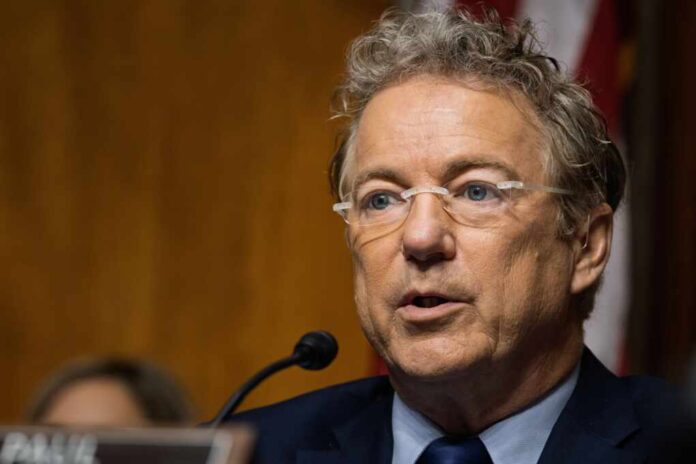
- Senator Rand Paul reveals that 21% of interdictions found no drugs, raising concerns about innocent victims.
Controversial Strikes Raise War-Crime Accusations
The Biden administration’s recent campaign of lethal strikes on small boats alleged to be smuggling drugs has left a trail of controversy, with accusations of war crimes mounting. Critics argue that these actions, particularly the second strikes on survivors of the initial attacks, may constitute unlawful killings under international law. The administration’s use of the term “narcoterrorism” to justify these lethal operations is being scrutinized, as it attempts to distance senior leadership from direct accountability.
Defense Secretary Pete Hegseth, while defending the campaign, stated that he authorized the initial strikes but did not oversee the subsequent attacks on survivors. This attempt to shift responsibility to on-scene commanders has not quelled the criticism. The ambiguity around command responsibility and legal authorization is leading to questions about who is ultimately accountable for these decisions.
Legal and Political Implications
Senator Rand Paul’s revelation that 21% of boat interdictions resulted in no drugs being found underscores the potential for innocent civilians to be caught in these aggressive operations. This statistic raises significant concerns about misidentification and the possibility of targeting non-smuggling fishermen under the guise of countering narcoterrorism. The administration’s narrative of saving “hundreds of thousands of lives” lacks empirical support and has been criticized as political messaging rather than fact-based analysis.
As the administration stands by its actions, the legal and political landscape remains fraught with tension. Legal experts argue that outside a clearly defined armed conflict, lethal force must comply with law-enforcement standards, which these strikes may not meet. The administration’s dual-framing legal memo, criticized by Rep. Adam Smith, reflects a contested approach that seeks to gain the benefits of armed-conflict targeting while sidestepping war-powers oversight.
Democrats escalate war-crime accusations as White House calls ‘innocent fisherman’ the new ‘Maryland Man’ hoax https://t.co/CiCWftEeGO #FoxNews
— LJM (@LJM19149401) December 8, 2025
Future and Accountability
The current campaign remains legally and politically contested, with no independent investigation into the second strikes reported. Questions persist about the rules of engagement and the number of those killed who were unarmed or misidentified. The broader implications of this policy could set a precedent for lethal counter-narcotics enforcement, potentially leading to similar aggressive tactics by other nations.
As the situation develops, the risk of legal exposure for operators and political backlash continues to loom. The narrative crafted by the administration may face further challenges as more details emerge and domestic and international scrutiny intensifies.
Sources:
White House defends strikes on boat survivors, but it’s unclear where the buck stops