The federal government now wants to send 6,000 uniformed officers into neighborhoods to teach families how to cook, raising big questions about who controls America’s dinner table.
Story Snapshot
- Health Secretary Robert F. Kennedy Jr. is tying his “Make America Healthy Again” agenda to a nationwide push for basic cooking and shopping skills.
- The plan would use federal officers to run community classes on real-food cooking and budget-friendly grocery shopping.
- At the same time, Kennedy is pressuring medical schools to add 40 hours of nutrition training or risk losing funding.
- The strategy fits a long pattern of big federal nutrition promises with few clear details on money, staff, or real-world results.
RFK Jr.’s Plan to “Teach America to Cook”
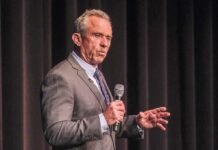
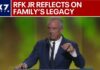
Health and Human Services Secretary Robert F. Kennedy Jr. has opened a new front in his “Make America Healthy Again” campaign: teaching Americans how to cook. In a recent event, he said many people have “forgotten how to cook” and “do not know how to shop,” blaming ultra-processed food and fast food culture for lost skills. Kennedy argued that “every American can feed themselves cheaper than fast food” if they know basic cooking and shopping. That message taps into broad frustration on both left and right that the food system feels rigged by big corporations and distant bureaucrats rather than built around families and local communities.
To turn rhetoric into action, Kennedy says the Department of Health and Human Services will use its Commissioned Corps – a uniformed public health service – or similar units to go “community by community” to teach people how to cook. A post from the “Make America Healthy Again” Action group describes 6,000 uniformed officers being deployed nationwide to lead classes on cooking real food, shopping wisely, and stretching the grocery budget. The stated aim is to “bring families back to the dinner table,” using hands-on lessons rather than more pamphlets and lectures. For many Americans who feel abandoned by elites, this sounds like government finally showing up in person, not just on TV.
Connecting Cooking Lessons to a Broader Food Agenda
Kennedy’s cooking push is only one part of a much larger nutrition and health agenda he has been building since Trump’s second term began. His Make America Healthy Again report lists more than 100 recommendations, from cutting ultra-processed foods to revisiting how children are medicated for behavior issues. He has pushed new dietary guidelines and a food pyramid that put meat, cheese, vegetables, and fruits at the top, while warning against refined carbohydrates, added sugars, and chemical additives. He has also floated changes to food-stamp rules, including proposals to limit how benefits can be used to buy soda and candy, arguing that taxpayer dollars should not subsidize junk food.
These moves speak directly to long-running worries about chronic disease, rising obesity, and a food industry that many Americans view as profit-driven but not health-driven. Conservatives who resent past “woke” food rules may welcome the focus on traditional foods and family meals. Liberals concerned about corporate power and unhealthy working-class diets may welcome tougher talk on processed food and food marketing. Yet both sides may pause when they hear that the same federal bureaucracy many see as captured by “deep state” interests will now decide what counts as “real food” and send officers to teach families how to live.
Overhauling Medical Education on Nutrition
Kennedy’s focus is not limited to home kitchens. He has launched a campaign to change how doctors are trained, saying nutrition should be treated as core medical knowledge, not a side topic. As of early March 2026, officials report that 53 medical schools have pledged to provide at least 40 hours of nutrition education or an equivalent competency, starting in fall 2026. Schools are asked to review their current teaching, name a faculty lead for nutrition, and post a public plan explaining how they will meet the 40-hour commitment. Kennedy has warned that schools that refuse to act may risk losing federal funding, while those that comply could gain public recognition.
For patients who feel that doctors rush to prescribe drugs but rarely discuss diet, this push may sound overdue. Federal data show that most students get fewer than eight hours of nutrition education per year in school, far below what experts say is needed to change behavior. At the same time, some critics worry that tying medical school funding to Kennedy’s nutrition agenda increases centralized control over education and invites more political pressure in scientific spaces already shaken by partisan fights. The plan does not yet spell out how success will be measured or how schools serving poorer communities will afford new staff and coursework.
Big Promises, Familiar Gaps, and Public Skepticism
Kennedy’s cooking and nutrition push fits a pattern that has repeated across federal health policy for decades: big aspirations with thin implementation details. Past federal nutrition programs, such as long-running efforts under the Department of Agriculture, have tried to improve diets through education, yet often struggled to reach the poorest families or show large, lasting changes in eating habits. Experts say education alone usually falls short unless it is backed by strong incentives, integrated into healthcare, and supported by clear funding and staff plans. Early coverage of the Make America Healthy Again report notes many proposals but few specifics on budgets, timelines, or how thousands of cooking officers will be trained and deployed.
Trust is another hurdle. Kennedy’s broader public health leadership has drawn sharp criticism from former officials at the Centers for Disease Control and Prevention, who accuse him of pushing ideas “not based on science or reality” and creating “chaos” by cutting staff and reshaping agencies. Media stories have highlighted funding cuts, reduced disease surveillance, and high-profile disputes over vaccines and outbreaks, painting a picture of a health system under strain. Supporters see a needed crackdown on a bloated and biased bureaucracy. Critics see ideological purges that weaken basic protections. Both sides share a core concern: powerful people inside Washington are making decisions about health and food with limited transparency and uneven accountability.
What This Means for Families Watching Washington
For ordinary Americans trying to pay the bills and keep their families healthy, Kennedy’s cooking plan captures a deep tension. Many people want help learning how to cook simple, affordable meals and break free from junk food and endless takeout. They also worry when the same distant federal government promises one more grand program and sends more uniformed personnel into local communities. If the plan delivers real skills, respects local values, and avoids heavy-handed mandates, it could help families reclaim their kitchens from both corporations and bureaucrats. If it becomes another top-down initiative with unclear results, it may simply confirm what many already believe: the elites in charge still do not understand everyday life around the dinner table.
Sources:
reason.com, upi.com, youtube.com, businessinsider.com, pbs.org, usatoday.com, yahoo.com, npr.org, abcnews.com, nationalaglawcenter.org