A wounded Ukrainian soldier’s grueling five-day crawl through drone-infested territory exposes a chilling glimpse of future battlefields where no one is safe—not even the injured.
At a Glance
- Ukrainian soldier Surovyi crawled five days through enemy terrain after a suicide drone strike
- Loitering munitions now isolate individual troops, making rescue missions nearly impossible
- Drones are shifting the power balance in combat by reducing the effectiveness of traditional tactics
- Military experts warn that U.S. forces must prepare for drone-heavy conflict zones
- Analysts call for urgent investment in counter-drone technologies and new tactical doctrines
The Rise of Kill Zones in Modern Combat
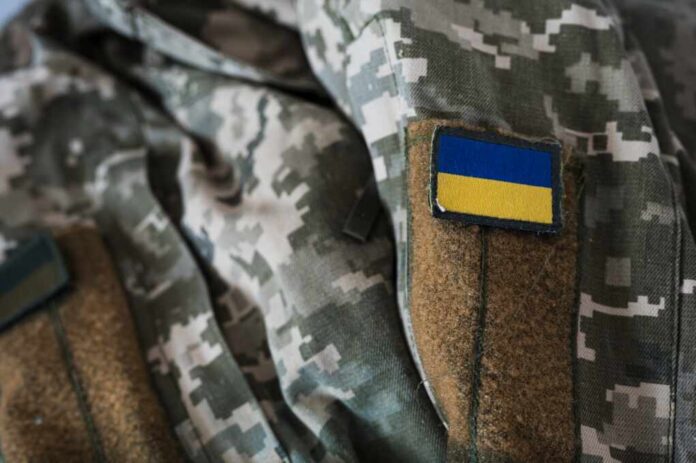
Forty-year-old Ukrainian soldier Surovyi’s escape from the frontlines in Donetsk wasn’t just a survival story—it was a terrifying preview of what’s coming. When a suicide drone struck his leg, Surovyi found himself alone, bleeding, and unable to rely on traditional evacuation methods. Instead, he was forced to crawl for five days through drone-patrolled territory where any sound, any movement, could bring death from above.
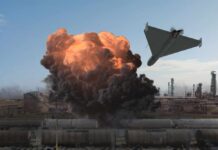
His story reflects a new battlefield reality: drones aren’t just spotting targets—they’re hunting wounded soldiers. These loitering munitions, often referred to as “kamikaze drones,” create vast kill zones where rescue missions become suicide runs and wounded troops are left to fend for themselves.
Watch now: Fear in the Skies: Can We Survive the Drone Onslaught?
How Cheap Tech Is Rewriting War
The battlefield is no longer dominated by tanks and artillery—but by buzzing, low-cost aerial killers. Suicide drones, deployed by both Russian and Ukrainian forces, are changing the rules of engagement. These devices can loiter for hours, identify movement, and strike with deadly accuracy—all for a fraction of the cost of conventional weaponry.
Franz-Stefan Gady of the International Institute for Strategic Studies notes that this democratization of lethal power renders old-school battlefield tactics obsolete. “You can’t evacuate under fire when drones are watching from above,” he warns. Every exposed moment becomes a potential death sentence.
Meanwhile, psychological warfare escalates. The mere hum of a drone can freeze troops in place, delay rescues, and fracture unit cohesion. These effects ripple beyond the physical battlefield, forcing militaries to rethink the fundamentals of soldier safety and operational tempo.
America’s Drone Problem Is Just Beginning
The implications for U.S. forces are stark. As defense analyst Seth Jones of the Center for Strategic and International Studies puts it, American troops could soon find themselves in similar scenarios—isolated, hunted, and unable to rely on traditional battlefield support. The war in Ukraine is already serving as a brutal testing ground for drone-centric warfare, and America is taking notes.
Jack Watling of the Royal United Services Institute (RUSI) argues that military aid packages should shift their emphasis. “Send fewer tanks, more drone jammers,” he suggests.
Counter-drone technologies, electronic warfare tools, and new training regimens could mean the difference between survival and slaughter in future engagements.
Surovyi’s five-day crawl is more than a harrowing tale of endurance—it’s a siren warning for every military planner still relying on 20th-century assumptions. With each drone strike, the old playbook burns a little more.
Sources
Center for Strategic and International Studies