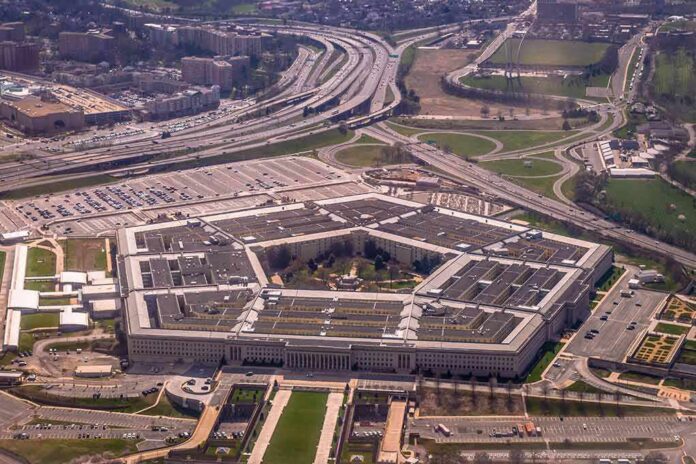
A newly highlighted Pentagon photo gallery from the Navy Archives lays out September 11, 2001 minute by minute, turning memory into a documented timeline.
Story Snapshot
- The Navy Archives organized Pentagon attack photos in time order, starting minutes after the crash.
- Military.com’s feature draws from those archival images to show damage and response on 9/11.
- The gallery is a curated slice of a much larger record, not a complete release.
- Major institutions built 9/11 photo collections to serve as public evidence and memory.
What The Gallery Shows And Where It Comes From
Military.com published a set of Pentagon images that came from the Navy Archives’ dedicated 9/11 holdings. The Navy’s description says the photos in its Pentagon gallery are only a small portion of the full collections. The archive states the images are arranged chronologically, beginning with pictures taken in the first minutes after the attack. That approach helps readers follow the scene as it unfolded, from impact to rescue and fire response.
The Navy Archives holds photographs, oral histories, and other materials gathered after the attack. That scope matters because it links single pictures to a larger record built by uniformed and civilian teams. Military.com’s use of those images reflects a common practice: draw from primary repositories to show the public what happened without guessing at facts. The chain is clear, which supports trust in dates, places, and the sequence the gallery presents.
Why Archives Sequence And Select Images
Major archives do not post every item they hold online. Curators pick representative images, vet the details, and build a path that readers can follow. The Navy Archives calls its gallery a selection, which means it guides readers but does not claim to be complete. That is standard across institutions that manage 9/11 records. The method is meant to keep materials useful and clear, even as teams keep preserving far more behind the scenes.
The Library of Congress described a focused drive to collect images that both document and interpret the attacks. That mission shows how public memory and hard evidence can fit together in one collection. The goal was to build a record the public could see, study, and teach from for years to come. That frame helps explain why galleries like the Navy’s exist and why media outlets highlight them on key dates.
How Chronology Helps The Public Understand 9/11
Time order turns a set of pictures into a story you can follow. For an event as fast and violent as the Pentagon strike, sequence gives shape to chaos. It shows when fire crews arrived, which parts of the building failed, and how people moved to help. It also lets teachers, families, and citizens see actions in context, not as random snapshots. The Navy’s decision to present images in order serves that basic public need.
Building accurate timelines is hard work. Federal investigators who studied 9/11 materials have said that fixing exact times across thousands of files is a challenge. Even then, getting many items pinned to within seconds is possible with careful review. That shows why institutions stress process and why curated galleries avoid claiming to be exhaustive. The aim is to be reliable and useful, based on the best available records at the time.
The Larger Record And What Comes Next
Other public institutions also maintain extensive 9/11 photo collections. The George W. Bush Presidential Library holds dozens of images across the weeks after the attacks. These collections expand what citizens can see beyond a single gallery. They also ensure multiple sources carry overlapping records. That redundancy protects the public’s right to know and supports future research, teaching, and remembrance across generations.
For readers who feel distant from decisions made in Washington, these images cut through spin. They show what people on the ground faced and did. The galleries come from official archives, follow clear methods, and remain open to the public. That mix of access and care is what many say they want from government: facts preserved, context provided, and no gatekeeping of basic evidence. On 9/11, that record still matters and still teaches.
Sources:
military.com, history.navy.mil, history.defense.gov, mcicom.marines.mil