A rushed House vote on a last‑minute spy program “patch” now risks either more warrantless snooping on Americans or a dangerous lapse in real foreign surveillance power.
Story Snapshot
- House leaders are pushing a short FISA Section 702 extension that many expect to fail, risking a lapse in key foreign surveillance.[3]
- Republicans and Democrats are split between protecting Americans from warrantless searches and keeping a major anti‑terror tool online.[1][2][7]
- President Trump backs the program’s security value but faces Democrat resistance tied to his pick for intelligence chief, Bill Pulte.[3][5]
- Civil‑liberties groups warn Section 702 still lets the government scoop up Americans’ calls and emails without a warrant.[4][7]
Why This “Spy Power” Fight Matters To Everyday Americans
House leaders are set to vote on a short‑term patch for Section 702 of the Foreign Intelligence Surveillance Act, even though many in both parties believe it is likely to fail.[3] Section 702 lets the government spy on foreign targets overseas, but it also sweeps in Americans’ emails, texts, and calls when they talk with those targets, and agents can later search that data without a judge’s warrant.[1][2][4][7] That backdoor access is exactly what reformers say violates basic Fourth Amendment protections.[4][7]
Lawmakers have already been through weeks of drama on this issue, passing a three‑year House reauthorization in April to keep the program alive while longer talks played out.[1][2] That bill extended 702 but stripped out a strong warrant requirement for searching American data, which civil‑liberties advocates called a major failure.[1][2][4] Congress then approved a short extension that pushed the real deadline to June 12, trying to avoid any gap in surveillance while leaders hunted for a broader deal.[2]
Security Tool Or Backdoor Search Engine?
Supporters, including many Republicans, argue Section 702 is a vital national‑security tool that should not be allowed to lapse just because Congress is fighting over unrelated political issues.[1][2] Intelligence officials say it targets foreign threats like terrorists and hackers overseas and is a “key” part of their work. Even some critics, like Representative Jason Crow, admit it is an “important tool” for the intelligence community, though they demand stronger safeguards for Americans.[5][6]
Opponents point to the same law and see something very different: a system that lets the government read Americans’ private messages without going to a judge first.[4][7] The Brennan Center for Justice says Section 702 has “for too long” allowed spying on Americans by sidestepping normal privacy rules.[4][7] The American Civil Liberties Union calls it “mass warrantless surveillance” and is urging Congress to either add a real warrant requirement or let the program expire. These groups say the problem is not foreign spying, but the secret searches of American‑side communications stored in 702 databases.[4][7]
Trump, Pulte, And A Standoff Over Control Of Intelligence
This latest cliffhanger is not only about privacy and security; it is also about who runs the spy agencies. Reports say President Trump urged Congress earlier this year to give him time with a short extension while he pushed forward his preferred choice for director of national intelligence, Bill Pulte.[2][5] Many Democrats now refuse to back another extension so long as Pulte, a Trump ally with no past intelligence experience, is in charge.[3][5]
Politico reports that Trump told Speaker Mike Johnson he would not dump Pulte just to win Democrat votes on FISA, and then announced Pulte would formally take the job on June 19.[3] Democrat leaders have signaled they will block any longer 702 deal or even a brief patch while Pulte holds the post.[3] That turns a core question about Americans’ privacy into another power struggle over Trump’s control of the federal security state — exactly the sort of fight our readers know all too well from past battles with the permanent bureaucracy.
What The House Has Already Done — And What Comes Next
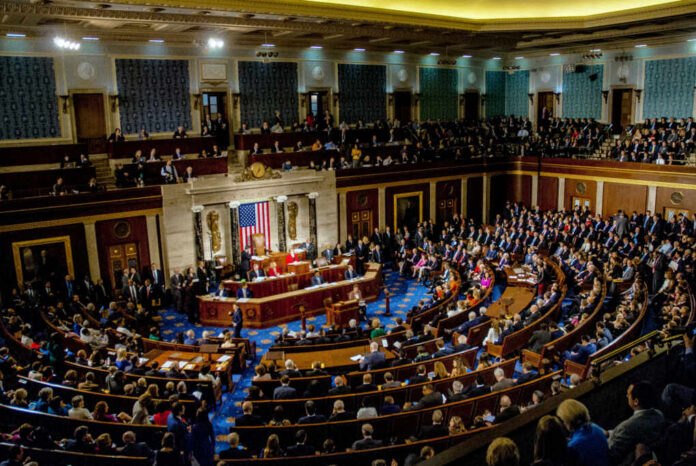
The House floor record shows this is not a casual debate; leaders have repeatedly brought Section 702 to the floor because they see it as too important to let die quietly.[1][2][7] In April, the House passed a three‑year extension by a 235‑191 vote, with support from both parties but also dozens of Republicans and Democrats voting no.[2] Before that, an earlier rule vote linked to another extension effort failed, underlining how deep the split runs even inside the Republican conference.[1][7]
FISA Spy Program Faces Lapse Amid World Cup, Iran War and America 250
A House vote today could determine whether the U.S. faces a potential increased risk for terrorism this summer.
The World Cup begins today. The conflict in Iran intensified in recent days. And the country is…
— Chad Pergram (@ChadPergram) June 11, 2026
To answer some privacy concerns, the recent House bill added steps like civil‑liberties reviews for searches involving Americans, criminal penalties for improper queries, higher approval levels for some searches, more access for Congress to the secret intelligence court, and a required audit of targeting procedures.[1][2] Reformers say these are “empty calories” because they still do not stop warrantless searches of American‑side communications.[4][5] With today’s expected‑to‑fail patch vote, Section 702 may briefly go dark for the first time in years, unless Congress and the White House find a way to protect both national security and the privacy rights conservatives care about under the Constitution.
Sources:
[1] Web – House to take up last-minute extension of FISA spy power in …
[2] Web – House passes 2-year extension of Section 702
[3] Web – House passes 3-year FISA 702 extension – Nextgov/FCW
[4] Web – Reform FISA Section 702 to Stop Government Surveillance … – 5 Calls
[5] Web – Section 702 of the Foreign Intelligence Surveillance Act, Explained
[6] Web – Crow Votes Against FISA 702 Reauthorization, Demands Reforms
[7] Web – The House passed FISA Section 702 renewal yesterday. I voted NO …